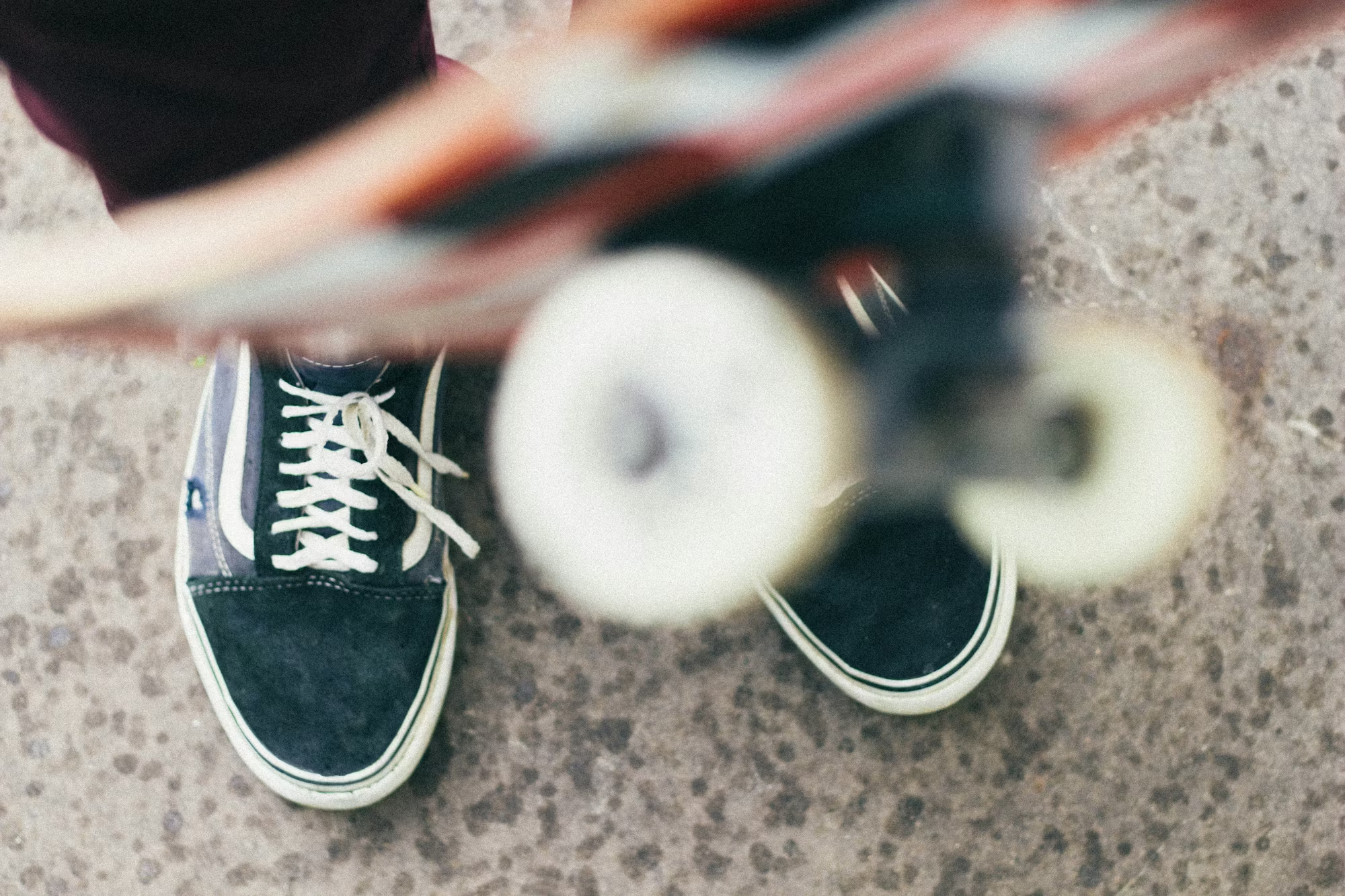
Exploring the World of Skateboarding: Styles, Techniques, and Community

Exploring the World of Skateboarding: Styles, Techniques, and Community

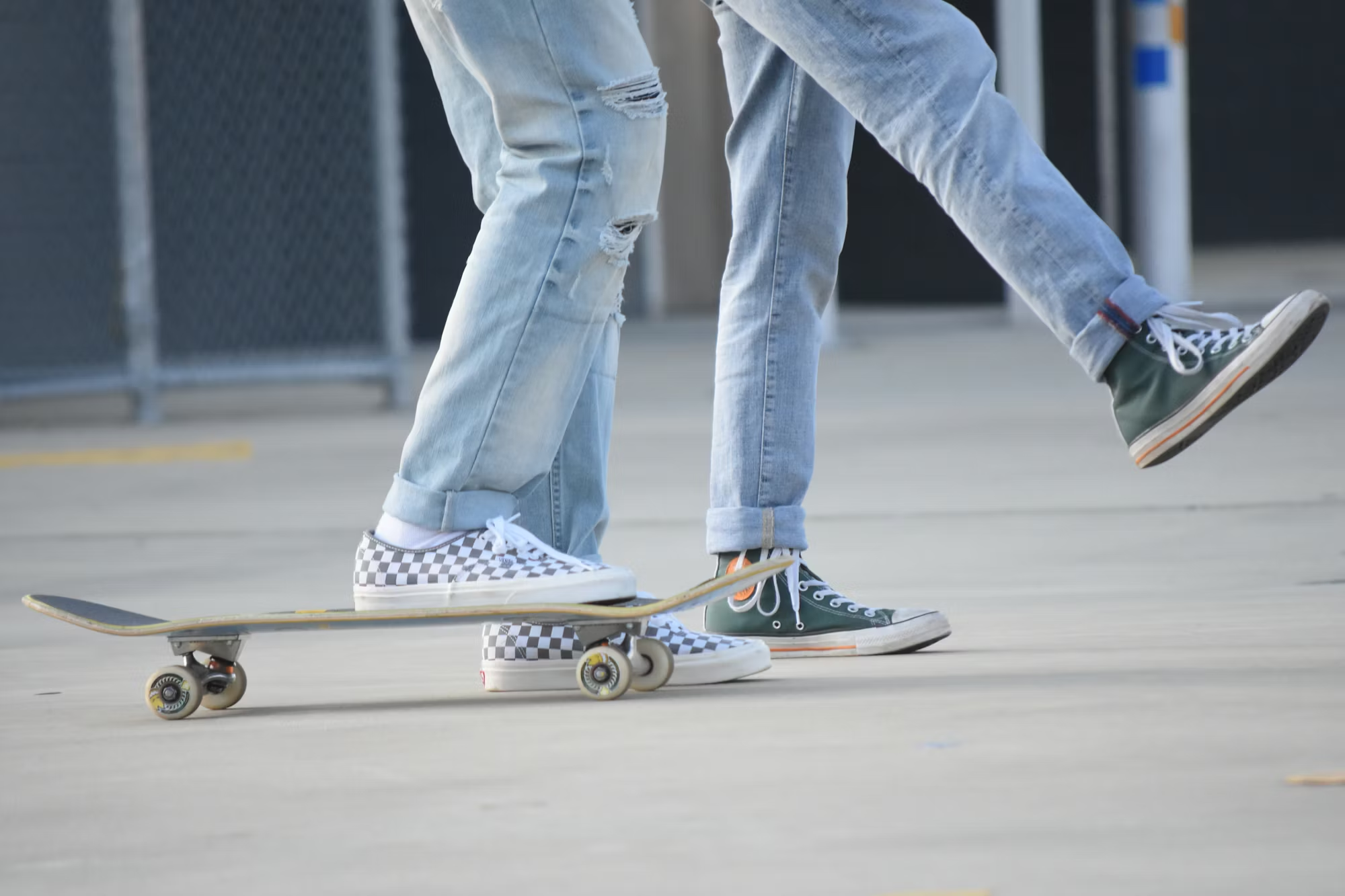
Skateboarding is a dynamic sport that combines physical skill, creativity, and a sense of community. From its origins in the 1940s to its modern-day iterations, skateboarding has evolved into a multifaceted discipline with various styles, each reflecting different techniques and cultural influences. This article explores the diverse styles of skateboarding, the techniques that define them, and the community spirit that binds skaters around the world.

The Origins of Skateboarding

Skateboarding began in California during the late 1940s when surfers sought a way to practice their moves on land. The first skateboards were simple wooden boards with roller skate wheels attached, allowing for a new form of recreation that would soon gain popularity. By the 1960s, skateboarding had taken off, with mass-produced boards entering the market and the establishment of the first skate parks. This marked the beginning of skateboarding as a recognized sport.

The Diversity of Skateboarding Styles

As skateboarding grew in popularity, various styles emerged, each with its own techniques and cultural significance. Some of the most notable styles include:

1. Street Skateboarding: This style utilizes urban environments such as sidewalks, stairs, and handrails. Street skaters perform tricks that emphasize creativity and technical skill, transforming everyday structures into platforms for artistic expression. Pioneers like Mark Gonzales and Natas Kaupas showcased how skaters could push the boundaries of what was possible in urban settings.

2. Vert Skateboarding: In contrast to street skating, vert skateboarding focuses on ramps and halfpipes, where skaters perform aerial tricks. This discipline requires mastering speed and height, as skaters launch themselves into the air to execute spins, flips, and grabs. Legendary skaters like Tony Hawk and Bob Burnquist have popularized vert skating, inspiring countless individuals to take to the ramps.

3. Bowl and Pool Riding: This style emphasizes flowing movements within bowl-shaped structures or empty swimming pools. Skaters carve through transitions, combining speed and rhythm to create a visually stunning display. The experience is often compared to surfing, as riders learn to navigate the curves with fluidity and grace.

4. Freestyle Skateboarding: Freestyle skating focuses on technical flatland tricks performed on smooth surfaces. This style emphasizes balance and precision, with skaters executing intricate maneuvers like the casper slide or handstand. Freestyle skating fosters individual expression, allowing skaters to develop their unique style through creativity and practice.

5. Longboarding: Longboarding provides an alternative approach to skateboarding, focusing on cruising and carving rather than tricks. Longboards are designed for stability and comfort, enabling skaters to enjoy smooth rides along scenic routes. Activities like downhill riding and slalom racing attract those who appreciate the freedom of movement and connection to the environment.

Techniques That Define Skateboarding

Each skateboarding style incorporates specific techniques that require practice and dedication. For instance, street skaters often employ tricks such as ollies, kickflips, and grinds, which demand a keen sense of timing and balance. Mastery of these techniques allows skaters to adapt to various obstacles in urban settings, showcasing their creativity and skill.

In vert skating, skaters must understand the physics of height and speed to perform tricks safely. A solid grasp of aerial maneuvers, such as McTwists and 900s, requires both physical conditioning and mental preparation. Skaters often train diligently to build the strength and confidence needed for high-flying tricks.

Bowl riding techniques emphasize carving and fluidity. Riders learn to shift their weight seamlessly as they navigate transitions, allowing for a graceful flow that captivates audiences. Tricks in bowl skating often blend carving with aerial elements, creating a visually engaging performance that showcases the skater’s artistry.

Freestyle skating is all about precision and balance, with skaters mastering footwork and technical maneuvers. Each trick, from spins to slides, requires a deep understanding of body mechanics and spatial awareness. The beauty of freestyle lies in its emphasis on personal expression, where skaters can innovate and showcase their style.

The Community of Skateboarding

One of the most remarkable aspects of skateboarding is its sense of community. Skaters from all backgrounds come together, united by their love for the sport. Skateparks serve as social hubs where individuals can practice, share tips, and form friendships. The collaborative spirit fosters a supportive environment, encouraging skaters to push their limits and celebrate each other’s successes.

Competitions and events play a significant role in building community spirit. Whether it’s local contests or international showcases like the X Games, these gatherings bring skaters together to demonstrate their skills and cheer each other on. The excitement of watching fellow skaters perform can inspire individuals to try new tricks and challenge themselves in a friendly atmosphere.

Social media has also transformed the skateboarding community, allowing skaters to connect worldwide. Platforms like Instagram and YouTube enable individuals to share their progress, showcase their skills, and engage with others who share their passion. This digital connectivity has enriched the culture, fostering global friendships and collaborations.

The Cultural Impact of Skateboarding

Skateboarding has transcended its origins to become a significant cultural phenomenon. Its influence can be seen in art, music, and fashion, with skate culture shaping trends and inspiring creativity across various mediums. Skateboarding promotes individuality and self-expression, encouraging skaters to embrace their uniqueness and celebrate diversity within the community.

The rise of streetwear fashion, often associated with skate culture, reflects the sport’s impact on popular culture. Many brands have emerged that cater to skaters, blending style with functionality. Skate-inspired art has also gained recognition, with artists drawing inspiration from the sport’s aesthetic and ethos. This fusion of culture and sport continues to evolve, inviting new generations to explore the world of skateboarding.

Conclusion: The Enduring Spirit of Skateboarding

Skateboarding is more than just a sport; it is a vibrant community that thrives on creativity, individuality, and shared passion. From the various styles that define it to the techniques that showcase skill, skateboarding offers an endless journey of exploration and expression. As the culture continues to evolve, the thrill of riding and the connections formed within the community remain a constant, inviting everyone to join in the excitement. Whether you’re a seasoned skater or just starting, skateboarding opens the door to a world where creativity knows no bounds.
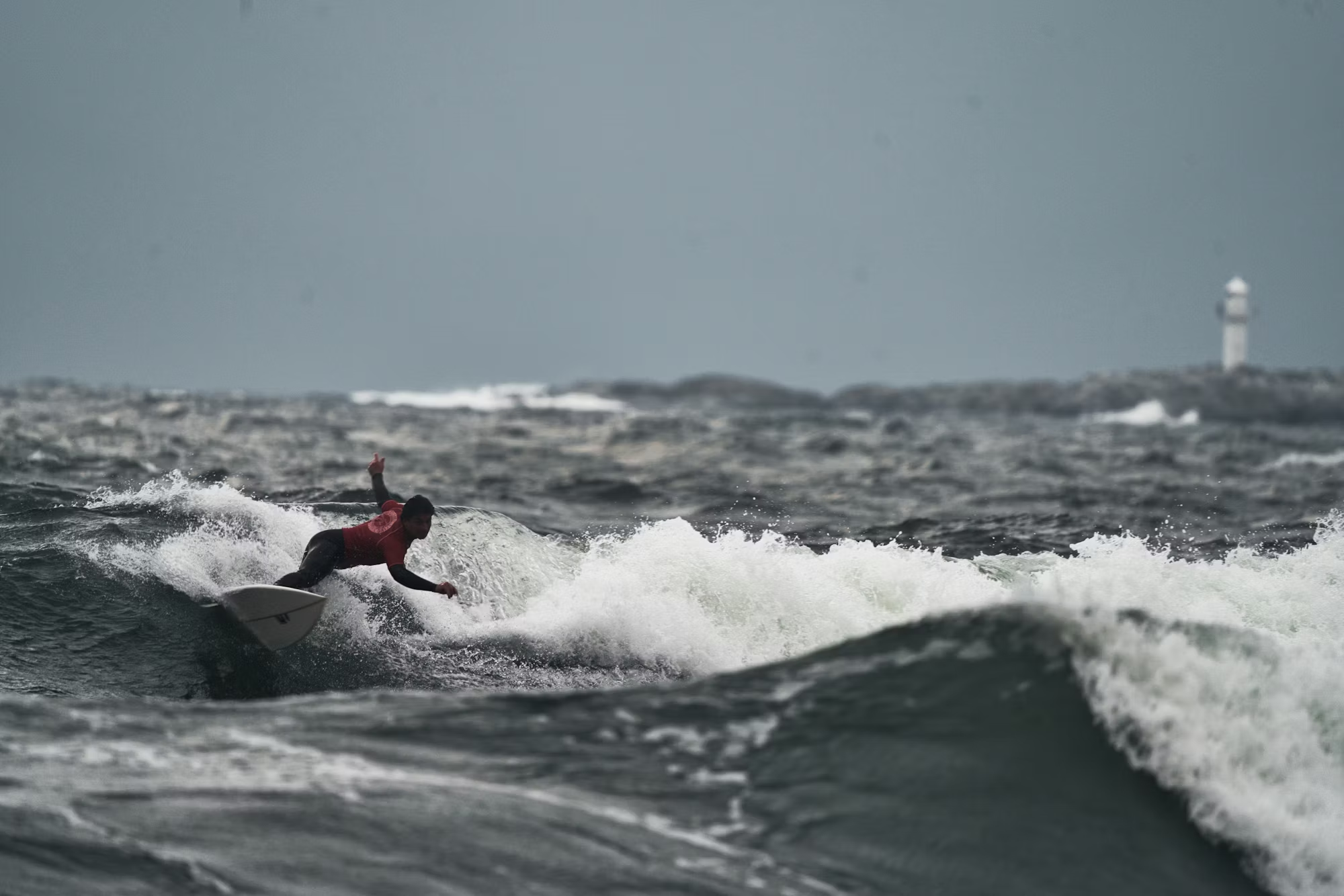
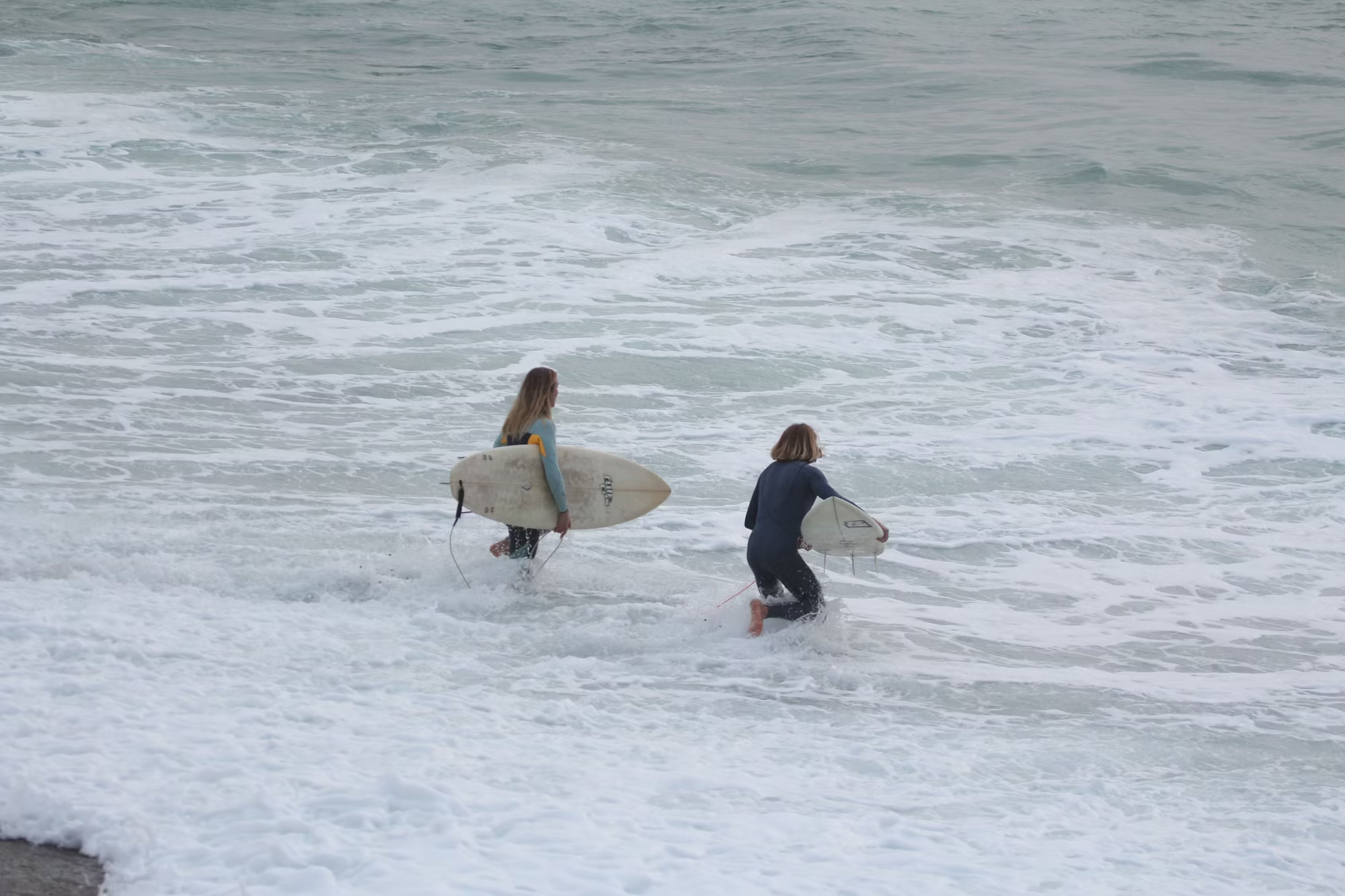
Exploring the Surfing Universe: A Guide to Styles, Techniques, and Culture

Exploring the Surfing Universe: A Guide to Styles, Techniques, and Culture

Surfing is more than just a sport; it’s a way of life that connects individuals with the ocean, each other, and the world around them. With its roots deeply embedded in ancient cultures, surfing has evolved into a multifaceted discipline, showcasing various styles and techniques that cater to a wide range of preferences and abilities. This article explores the different forms of surfing, examining their histories, unique characteristics, and the vibrant culture that surrounds them.

The Historical Context of Surfing
Surfing originated in ancient Polynesia, where it was more than a recreational activity; it was a significant cultural practice. The Polynesians viewed the ocean as a source of life, and riding the waves became a way to connect with their environment. The first surfboards were crafted from native trees, heavy yet buoyant, allowing for a smooth ride on the gentle waves.

As surfing migrated to Hawaii, it became popularized by figures like Duke Kahanamoku, who brought the sport to the mainland United States in the early 20th century. By the 1950s and 1960s, surfing was well-established in California, leading to a surge in its popularity and the emergence of various surfing styles that we recognize today. Each style reflects the evolving techniques and cultural significance associated with the sport, creating a rich tapestry of experiences for surfers around the globe.

Shortboarding: Speed and Agility
Shortboarding is perhaps the most recognized form of surfing today, characterized by its use of smaller, thinner boards. This style is designed for performance, allowing surfers to execute rapid turns and dynamic maneuvers, including aerial tricks. The shortboarder’s ability to navigate challenging waves at high speeds is a testament to their skill and connection with the ocean.

The culture surrounding shortboarding is vibrant and competitive. Professional surfing events, such as the World Surf League, showcase the talents of the best shortboarders, pushing the limits of what is possible on a wave. Shortboarding has become synonymous with adrenaline and excitement, drawing in surfers who thrive on the rush of riding powerful swells.

The shortboarding community is also known for its creativity, as surfers continually innovate and redefine what is possible in the sport. The emphasis on style and performance has led to the development of various techniques and tricks, making shortboarding an ever-evolving discipline that remains at the forefront of surfing culture.

Longboarding: Elegance on the Waves
In contrast to the fast-paced world of shortboarding, longboarding offers a more laid-back, graceful approach to riding waves. Longboards, typically over nine feet in length, allow for a unique set of maneuvers that emphasize fluidity and style. Surfers can walk to the nose of the board (a maneuver known as noseriding) and perform cross-steps, showcasing their balance and elegance on the water.

Longboarding has deep roots in traditional Hawaiian surfing, where the focus was on style rather than speed. As the sport has grown, longboarding has experienced a resurgence in popularity, appealing to surfers who appreciate the artistry and historical significance of this style. Events dedicated to longboarding often emphasize the aesthetic aspects of the sport, celebrating the beauty of movement and connection to the ocean.

The longboarding community fosters a sense of camaraderie, encouraging surfers to share their experiences and techniques. This welcoming atmosphere helps to draw in newcomers, allowing them to appreciate the simplicity and joy of riding waves in a more relaxed setting.

Big Wave Surfing: Conquering Nature’s Giants
For those seeking the ultimate thrill, big wave surfing presents a unique challenge. This style involves riding waves that can reach heights of 20 feet or more, requiring not only exceptional skill but also a deep understanding of ocean dynamics. Big wave surfers often utilize specialized equipment, including tow-in techniques, to access these massive swells safely.

The thrill of catching a big wave is unlike any other, but it comes with inherent risks. Safety measures, such as wearing inflatable vests and having support teams, are essential for navigating these powerful conditions. Big wave surfing has cultivated a strong sense of community among its participants, who share both the dangers and triumphs of riding the world’s largest waves. Legendary surf spots like Jaws in Hawaii and Nazaré in Portugal have become renowned for their colossal waves, attracting elite surfers from around the globe.

Stand-Up Paddleboarding (SUP): A Versatile Experience
Stand-Up Paddleboarding, or SUP, has become increasingly popular as a versatile way to experience the water. Surfers use larger boards and paddles to navigate, allowing for various activities such as leisurely flatwater paddling, wave riding, and even fitness practices like yoga on the water. This adaptability makes SUP appealing to a wide audience, from beginners to seasoned athletes.

SUP not only provides an excellent full-body workout but also encourages a deeper connection with the ocean. Many SUP enthusiasts embrace the opportunity to explore new environments, from tranquil lakes to coastal waves, making it a dynamic and inclusive activity. As the popularity of SUP continues to grow, so does its cultural impact, emphasizing the importance of environmental awareness and appreciation for marine ecosystems.

Bodyboarding: Fun for Everyone
Bodyboarding, a playful and accessible variant of surfing, allows participants to ride waves while lying on a smaller, rectangular foam board. This style is particularly popular among younger surfers and beginners, as it provides a fun and straightforward way to enjoy the ocean. Bodyboarders can ride waves closer to the shore, making it an ideal choice for beach breaks where conditions are favorable for this style.

The bodyboarding community thrives on creativity, with participants performing spins, rolls, and aerial tricks. This laid-back atmosphere fosters a sense of inclusivity, encouraging newcomers to join in the fun and experience the thrill of riding waves. Bodyboarding events often celebrate the camaraderie among participants, showcasing the joy of sharing the experience with friends and family.

Tandem Surfing: A Partnered Experience
Tandem surfing adds an exciting dimension to wave riding by involving two surfers on a single board. This style emphasizes teamwork and synchronization, as partners must communicate effectively to execute lifts and tricks. Tandem surfing celebrates the connection between surfers, highlighting the importance of trust and collaboration in the sport.

While less common than other styles, tandem surfing has a dedicated following. Competitions showcase the artistry of this discipline, with surfers demonstrating their skills in beautifully choreographed routines that blend athleticism and creativity. The visual spectacle of tandem surfing captivates audiences, illustrating the beauty of partnership and shared experiences on the water.

Skimboarding: A Playful Connection to the Shore
Skimboarding is often seen as a playful precursor to surfing, taking place in the shallow waters near the shore. Skimboarders run along the beach, dropping their boards onto the thin wash of incoming waves and riding them back to shore. This style emphasizes fun and spontaneity, making it an accessible option for beachgoers of all ages.

The skimboarding community thrives on shared experiences, with participants often gathering to ride waves together. This informal and joyful atmosphere encourages creativity and exploration, allowing newcomers to experience the thrill of riding waves without the complexities of traditional surfing equipment. Skimboarding embodies the spirit of play, making it a beloved pastime that invites everyone to join in on the fun.

The Cultural Influence of Surfing
Surfing is not just a sport; it is a cultural phenomenon that has shaped art, music, and fashion throughout the decades. The imagery associated with surfing—sun-soaked beaches, powerful waves, and the vibrant community—has inspired countless artists and musicians. Surf culture celebrates creativity, individuality, and a deep appreciation for nature, fostering a unique lifestyle that resonates with many.

Environmental consciousness has become increasingly important within the surfing community. As surfers recognize their connection to the ocean, many advocate for sustainable practices and conservation efforts. This commitment to protecting the marine environment is reflected in the surf industry, with brands prioritizing eco-friendly materials and practices to reduce their impact on the planet.

Conclusion: A Lifelong Passion
The diverse world of surfing offers something for everyone, regardless of skill level or style preference. From the adrenaline-fueled excitement of shortboarding to the serene elegance of longboarding, each style represents a unique expression of the surfer’s relationship with the ocean. As the sport continues to evolve, it remains a source of inspiration, adventure, and community. Surfing invites individuals to connect with nature, embrace creativity, and forge lasting friendships through shared experiences on the waves. Whether you’re an experienced surfer or a newcomer, the spirit of surfing beckons you to enjoy the beauty of the ocean and the thrill of riding its waves.

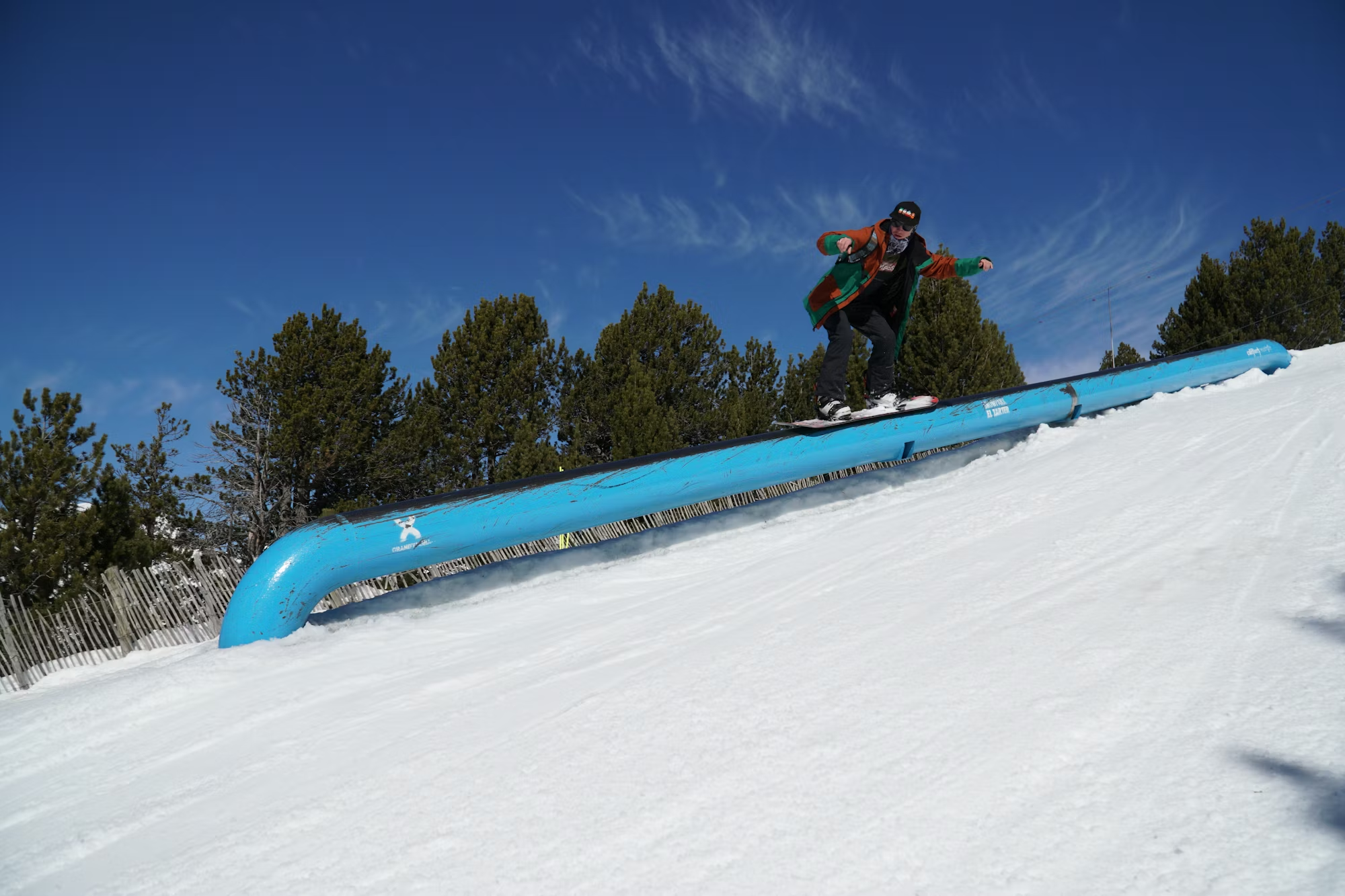
Exploring Snowboarding Techniques: From Basics to Advanced Skills

Exploring Snowboarding Techniques: From Basics to Advanced Skills

Snowboarding is an exhilarating sport that combines skill, creativity, and a deep connection with nature. Whether you’re a beginner hitting the slopes for the first time or an advanced rider looking to refine your techniques, understanding the various skills and maneuvers in snowboarding can significantly enhance your experience. This article provides a comprehensive overview of essential snowboarding techniques, from the fundamentals to advanced skills that can elevate your riding.

The Fundamentals of Snowboarding

Before diving into complex tricks and maneuvers, it’s crucial to establish a strong foundation in basic snowboarding techniques. First and foremost, mastering your stance is vital. Snowboarders typically adopt either a regular stance (left foot forward) or a goofy stance (right foot forward). Determining your natural stance can affect your control and comfort on the board. A simple way to find out is to see which foot you naturally put forward when sliding on a flat surface.

Once you’ve established your stance, practice getting in and out of your bindings. A smooth entry and exit are essential for transitioning between different terrains and features. Start by learning how to balance on your board while strapped in. This will help you build confidence and stability.

Another fundamental aspect of snowboarding is understanding how to control your speed and stop. The most common stopping technique is the heel-side stop. To execute this, shift your weight back onto your heels, press the tail of the board into the snow, and allow the board to turn perpendicular to your path. Practicing this technique will ensure you can stop safely and effectively in various conditions.

Carving and Turning Techniques

Once you feel comfortable with the basics, the next step is to learn how to carve and turn. Carving involves using the edges of your snowboard to create smooth, arcing turns. This technique is essential for maintaining speed and control, especially on groomed runs. To carve effectively, shift your weight onto your toes or heels, depending on the direction you want to turn. Keep your knees bent and your upper body facing downhill to maintain balance.

Begin with wide turns and gradually work your way to tighter arcs as you gain confidence. Practice linking your turns smoothly without skidding or losing speed. This fluidity will enhance your overall riding style and make it easier to navigate various terrains.

Progressing to Jumps and Tricks

As you become more comfortable with carving and turning, you can start exploring jumps and tricks. Terrain parks are ideal for practicing these skills, as they are specifically designed with features like jumps, rails, and boxes. Before attempting any tricks, ensure you have a solid understanding of basic jumping techniques.

To perform a jump, approach the feature with a moderate speed, crouch down as you near the lip, and then spring off the jump by extending your legs. Keep your eyes focused on the landing area to maintain balance. As you leave the jump, you can add rotation or grabs to your trick. Start with simple grabs, such as the melon grab, where you reach down and hold the heel edge of your board mid-air. Once you feel comfortable, you can progress to more advanced tricks like spins and flips.

Freestyle Riding and Tricks

Freestyle snowboarding is all about creativity and style. It involves performing tricks and maneuvers on various features found in terrain parks. To excel in freestyle riding, focus on building confidence in your skills and experimenting with different tricks. Start with basic tricks like 180s and 360s, gradually increasing the complexity as you become more comfortable.

Practicing on smaller jumps and features allows you to build your skill set without overwhelming yourself. Video analysis can also be helpful; recording your runs enables you to review your technique and identify areas for improvement. Joining a local snowboarding community or taking lessons from experienced riders can also provide valuable insights and feedback on your progress.

Freeride Techniques for Natural Terrain

Freeriding is another exciting aspect of snowboarding that allows riders to explore natural terrain and conditions. It emphasizes adaptability and skill in navigating varied landscapes, such as powder, trees, and steep slopes. To excel in freeride snowboarding, it’s crucial to develop strong turning techniques and learn how to read the terrain.

Riding in powder requires a different approach than groomed runs. To maintain buoyancy and control, shift your weight back on the board and keep your knees bent. This technique helps you float on top of the snow rather than sinking in. Practicing in powder will also enhance your overall balance and control.

Navigating through trees adds an element of excitement and challenge to freeriding. When riding in a forested area, maintain a low stance, and be prepared to make quick adjustments. Focus on your line choice, and always be aware of your surroundings. This situational awareness is essential for safe and enjoyable rides in natural terrain.

Safety and Responsible Riding

While learning new techniques and pushing your limits, it’s important to prioritize safety on the slopes. Always wear appropriate protective gear, including a helmet, wrist guards, and knee pads. This equipment can significantly reduce the risk of injury, especially when attempting new tricks or riding in challenging conditions.

Additionally, being mindful of mountain etiquette is crucial for creating a positive environment for all riders. Respect the rules of the resort, yield to others on the slopes, and avoid stopping in areas where you might obstruct traffic. By being considerate of your fellow riders, you contribute to a safer and more enjoyable snowboarding experience for everyone.

Conclusion: Embrace the Journey

Mastering snowboarding techniques is a journey that requires practice, patience, and a willingness to learn. From foundational skills to advanced maneuvers, each aspect of snowboarding offers unique challenges and rewards. Embrace the process, and don’t be afraid to seek guidance from experienced riders or instructors along the way.

Snowboarding is not just about perfecting tricks; it’s about enjoying the thrill of riding and connecting with the beauty of winter landscapes. As you progress, take time to appreciate the joy of being on the slopes and the camaraderie that comes with being part of the snowboarding community. Whether you’re carving down a groomed run, exploring powder in the backcountry, or perfecting tricks in a terrain park, the adventure of snowboarding is yours to embrace.

Beneath the Waves: The Thrilling World of Diving Adventures

Beneath the Waves: The Thrilling World of Diving Adventures

Diving is not just a sport; it’s an adventure that allows individuals to connect with the beauty of underwater ecosystems. With a wide range of disciplines to choose from, each offering distinct experiences, diving appeals to both thrill-seekers and nature lovers alike. In this article, we will delve into the fascinating world of diving, exploring various techniques and the unique opportunities they provide. Whether you are a beginner or an experienced diver, there is always something new to discover beneath the waves.

The Allure of Recreational Scuba Diving

Recreational scuba diving is often the first entry point for many diving enthusiasts. Using self-contained underwater breathing apparatus (scuba), divers can explore coral reefs, vibrant marine life, and historical shipwrecks, often in warm, clear waters. This form of diving combines adventure with a sense of tranquility, allowing divers to immerse themselves in stunning underwater landscapes.

Aspiring divers typically begin their journey by enrolling in a certification course through recognized organizations like PADI or SSI. These courses cover essential safety protocols, dive theory, and practical skills, ensuring that participants are well-prepared for their underwater adventures. Upon certification, divers can join guided tours or plan their excursions, discovering the rich biodiversity that lies beneath the surface.

The Experience of Underwater Exploration

One of the most rewarding aspects of recreational diving is the opportunity to witness the breathtaking beauty of marine ecosystems. Coral reefs, often referred to as the “rainforests of the sea,” are teeming with life, including colorful fish, intricate corals, and various invertebrates. Divers often describe the experience as otherworldly, as they glide through schools of fish and explore the vibrant colors and patterns of the reef.

Beyond the natural beauty, scuba diving also fosters a sense of environmental awareness. Many divers become advocates for marine conservation, participating in clean-up efforts and promoting sustainable practices to protect fragile ecosystems. This combination of adventure and environmental stewardship makes recreational diving a fulfilling pursuit.

Venturing Deeper: The World of Technical Diving

For those looking to push their limits, technical diving offers a more challenging experience. This advanced form of diving involves specialized training and equipment, allowing divers to explore deeper depths and engage in more complex diving activities, such as cave diving or wreck exploration. Technical divers must possess a strong understanding of dive planning, gas mixtures, and decompression theory.

The Thrill of Adventure

Technical diving opens up a world of extraordinary underwater experiences. Divers who engage in cave diving can explore submerged passages, revealing stunning geological formations and unique ecosystems. This discipline requires meticulous planning, attention to detail, and adherence to safety protocols, as navigating confined spaces can present significant challenges.

Wreck diving, another facet of technical diving, invites divers to explore sunken ships and aircraft, often providing a glimpse into history. Each wreck tells a story, and divers often find themselves captivated by the historical significance of these underwater artifacts. The thrill of discovery and the unique experiences offered by technical diving make it an appealing choice for adventurous divers.

Freediving: Embracing Breath-Holding Techniques

Freediving, or apnea diving, presents a different approach to underwater exploration. This discipline relies on breath-holding techniques, allowing divers to experience the underwater world without the use of scuba gear. Freediving emphasizes relaxation, mental focus, and physical conditioning, making it a unique and meditative practice.

The Beauty of Connection with Nature

Freediving allows individuals to develop a deeper connection with the ocean. As divers learn to control their breath and remain calm underwater, they often experience a sense of tranquility and harmony with their surroundings. The experience can be transformative, as freedivers glide through the water, witnessing the beauty of marine life up close.

Competitive freediving introduces various disciplines, including static apnea, dynamic apnea, and depth competitions. These events challenge participants to hold their breath for extended periods, swim underwater for distance, or descend to significant depths. The competitive aspect of freediving attracts those looking to test their limits while also deepening their appreciation for the underwater world.

Snorkeling: A Gateway to Underwater Wonders

For those seeking a more accessible way to explore the underwater world, snorkeling provides a fantastic introduction. This activity involves swimming on the surface with a mask, snorkel, and fins, allowing participants to observe marine life in shallow waters. Snorkeling is suitable for all ages and skill levels, making it a popular choice for families and beginners.

Discovering Vibrant Ecosystems

Many coastal destinations offer guided snorkeling tours, where participants can explore vibrant reefs alongside experienced guides. These tours enhance the experience by providing insights into local marine ecosystems and ensuring safety while exploring. Snorkelers can witness the incredible colors and movements of fish, sea turtles, and other marine creatures as they float above the reefs.

Snorkeling fosters a sense of wonder and appreciation for marine life, inspiring individuals to connect with nature in a meaningful way. Many people find that their first snorkeling experience ignites a passion for the ocean, encouraging them to pursue further diving adventures.

The Professional Side of Diving: Career Opportunities

While many people dive for recreation, others choose to pursue a career in professional diving. This field encompasses a variety of underwater work, including commercial diving, marine research, underwater welding, and salvage operations. Professional divers require specialized training and equipment to perform tasks safely and efficiently.

Exploring Diverse Career Paths

Commercial diving involves various industries, including construction, inspection, and environmental research. Divers may find themselves working on projects such as underwater welding, pipeline inspections, or scientific studies. The skills gained through professional diving training not only enhance job performance but also contribute to safety and efficiency in various workplaces.

As the demand for skilled divers continues to rise, career opportunities in this field are expanding. Professional diving allows individuals to combine their passion for the ocean with a rewarding career, making it an appealing option for those who seek to work beneath the waves.

Capturing the Ocean: Underwater Photography and Videography

Diving also offers exciting opportunities for underwater photography and videography. Many divers embrace the challenge of capturing stunning images of marine life, coral reefs, and underwater landscapes. Utilizing specialized underwater camera equipment, photographers and videographers can document the beauty of the ocean and share their experiences with others.

The Art of Visual Storytelling

Underwater photography allows divers to tell stories through their images, highlighting the vibrant colors and unique behaviors of marine life. Many divers take pride in their ability to capture breathtaking photos, which often leads to a deeper appreciation for marine ecosystems and a desire to advocate for conservation efforts.

Videography provides a dynamic perspective, allowing divers to capture the fluid movements of marine creatures and the breathtaking scenery of underwater landscapes. This creative outlet inspires many to engage with their surroundings and share their passion for the ocean with a wider audience.

Conclusion: Embrace the Adventure Beneath the Surface

Diving offers a diverse array of experiences, each presenting unique opportunities for adventure and exploration. From the serenity of recreational scuba diving to the challenges of technical diving, the simplicity of snorkeling to the intricacies of professional diving, the underwater world invites enthusiasts to discover its many wonders. Each dive not only fosters a connection with nature but also cultivates a greater appreciation for the beauty and fragility of marine ecosystems.

Whether you’re just starting your diving journey or are a seasoned explorer, there are endless possibilities waiting for you beneath the waves. Embrace the adventure, learn new skills, and dive into the depths where unforgettable experiences await.

Cycling for Everyone: Embracing the Joys of Riding

Cycling for Everyone: Embracing the Joys of Riding

Cycling is a universal activity that transcends age, skill level, and location. It has evolved into a diverse sport that encompasses numerous disciplines, each offering unique challenges and joys. Whether you’re a competitive racer or a casual rider, the world of cycling welcomes everyone to experience the freedom and exhilaration that comes with riding a bike. This article explores the various facets of cycling, its benefits, and how it fosters a vibrant community.

The Accessibility of Cycling

One of the most appealing aspects of cycling is its accessibility. With a simple bike and a safe route, anyone can start their cycling journey. This inclusivity makes it a favored choice for families, individuals seeking fitness, and those looking to explore their surroundings. Unlike many sports that require extensive training or specialized equipment, cycling can be enjoyed at any level, making it an excellent choice for those new to physical activity.

The Diverse Disciplines of Cycling

Cycling is not monolithic; it includes various disciplines that cater to different interests. For those drawn to speed and competition, road cycling offers exhilarating races on paved surfaces. Events like the Tour de France showcase the pinnacle of athletic performance, but even local criteriums provide thrilling opportunities for racers to push their limits.

Endurance riding, another facet of road cycling, focuses on long-distance travel. Riders often embark on adventures that span hundreds of miles, enjoying the scenery while testing their physical limits. Events like randonneuring allow participants to experience the joy of cycling over extended distances, fostering a sense of community as they share their stories and experiences.

For those who prefer off-road adventures, mountain biking presents a perfect escape into nature. This discipline emphasizes technical skills and endurance, with riders tackling rugged terrains and steep trails. Whether navigating cross-country trails or speeding down challenging downhill courses, mountain biking offers an exhilarating connection to the great outdoors.

BMX (Bicycle Motocross) adds another layer of excitement to the cycling world. It includes high-energy races on dirt tracks, where riders navigate jumps and obstacles at remarkable speeds. BMX freestyle, on the other hand, emphasizes creativity, allowing riders to perform tricks and stunts in skateparks or on urban obstacles. Both aspects of BMX cultivate a vibrant culture filled with camaraderie and competition.

Cyclocross merges various cycling disciplines, challenging participants with diverse terrains and obstacles that require dismounting and carrying their bikes. This unique sport fosters a sense of community as riders support one another and share the challenges of navigating unpredictable conditions. The excitement of cyclocross races, often held in festive atmospheres, makes it a favorite among enthusiasts.

The Benefits of Cycling

Cycling offers numerous benefits, making it an excellent choice for individuals of all ages. Physically, it promotes cardiovascular health, builds muscle strength, and improves flexibility. Regular cycling can enhance endurance, making daily activities easier and more enjoyable. Additionally, the low-impact nature of cycling makes it accessible for those with joint issues or those looking to ease into a fitness routine.

Mentally, cycling can provide a significant boost. The rhythmic motion of pedaling combined with fresh air can enhance mood and alleviate stress. Many cyclists find that riding helps clear their minds, offering a sense of tranquility that comes from being in nature. This mental clarity, coupled with the physical benefits, creates a holistic approach to health and well-being.

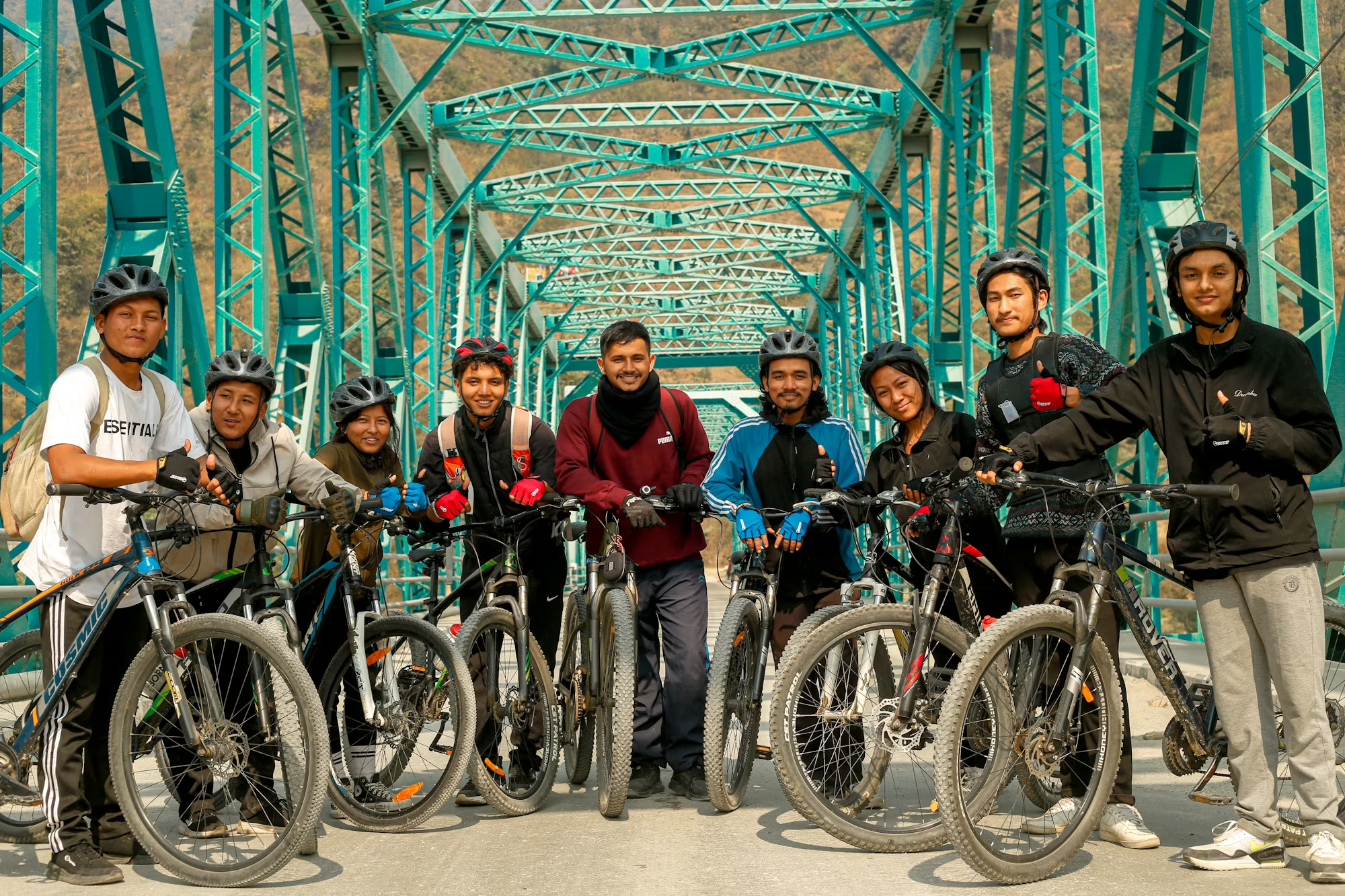
Cycling also fosters social connections. Group rides and cycling clubs create opportunities to meet like-minded individuals, build friendships, and share experiences. The supportive environment found in cycling communities encourages participation and engagement, making it easier for newcomers to find their place. Whether you’re joining a local ride or participating in a charity event, the bonds formed through cycling can lead to lasting relationships.

Exploring the World on Two Wheels

One of the most rewarding aspects of cycling is the ability to explore new places. Bike touring allows individuals to embark on adventures that span landscapes, cities, and cultures. With options ranging from short weekend trips to multi-week journeys, bike touring encourages cyclists to experience the world in a unique and immersive way. As riders travel through different regions, they encounter local communities, try regional cuisines, and create unforgettable memories.

The sense of freedom that comes with touring is unparalleled. Cyclists can choose their routes, stop when they want, and engage with their surroundings at their own pace. This flexibility enables a personal connection with the environment, allowing riders to appreciate the beauty of nature and the richness of diverse cultures.

Embracing Technology: E-bikes and Indoor Cycling

The advent of electric biking (e-bikes) has further expanded the accessibility of cycling. E-bikes provide pedal-assist technology, making it easier for riders to tackle hills and long distances. This innovation allows individuals of varying fitness levels to enjoy cycling without the fear of fatigue or discomfort. E-bikes are particularly beneficial for commuters, as they facilitate longer rides while reducing the effort required, making it an attractive option for those looking to integrate cycling into their daily routines.

Indoor cycling has also gained immense popularity, especially through spin classes. These high-energy workouts, often led by enthusiastic instructors, allow individuals to experience the thrill of cycling in a controlled environment. Participants can enjoy the benefits of cycling regardless of weather conditions, and the sense of community created in these classes fosters motivation and encouragement.

Safety and Sustainability in Cycling

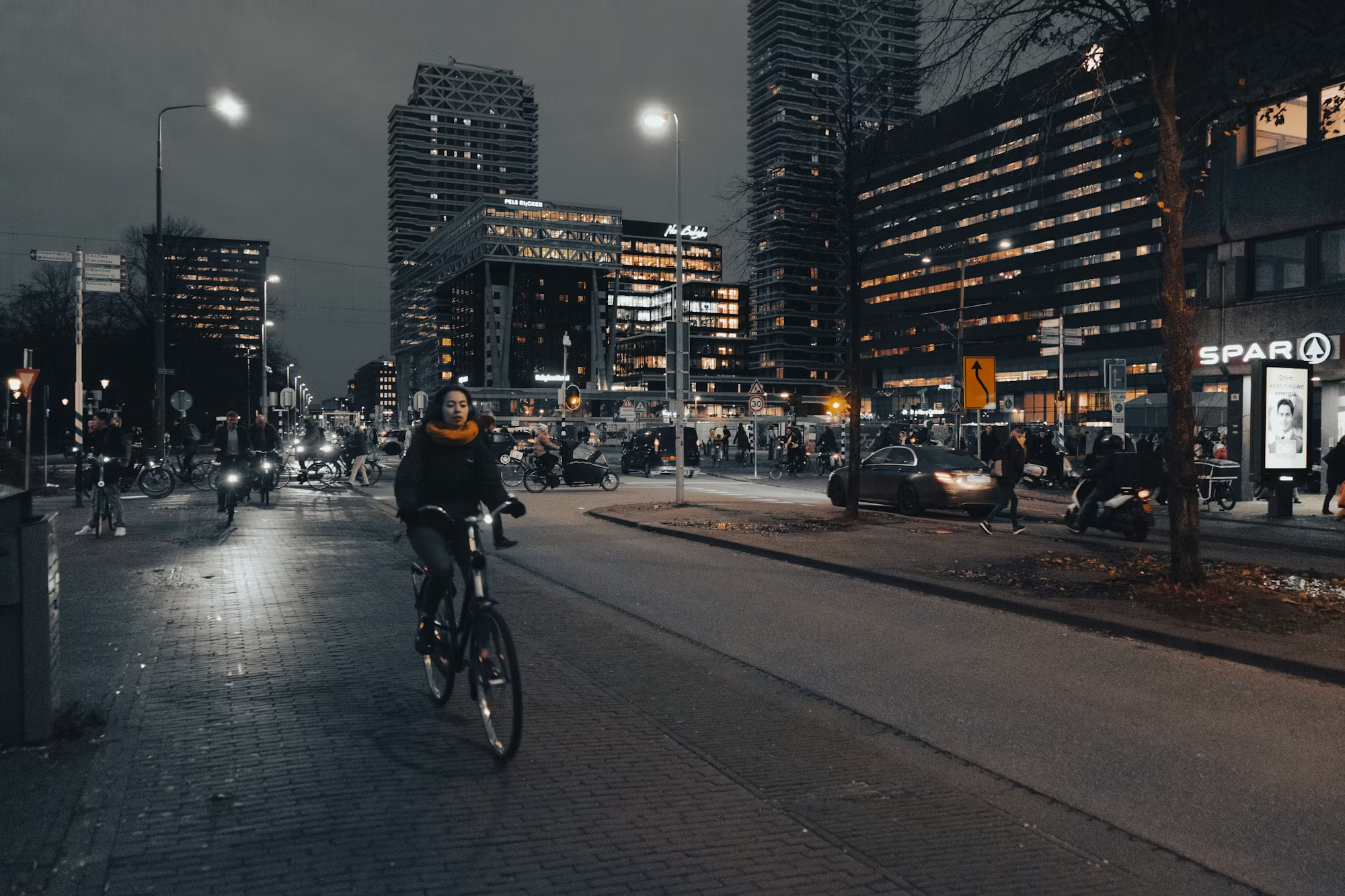
As cycling continues to grow in popularity, ensuring safety is paramount. Many cities are investing in infrastructure to support cyclists, including dedicated bike lanes and secure parking facilities. Additionally, education on road safety for cyclists is crucial, helping to foster a culture of mutual respect between cyclists and motorists. Wearing helmets, using lights, and following traffic regulations are essential practices that enhance safety on the road.

Cycling also aligns with sustainability goals. As a low-impact mode of transportation, cycling reduces carbon footprints and promotes a cleaner environment. More individuals are choosing bicycles over cars for short trips, contributing to reduced traffic congestion and improved air quality. The rise of bike-sharing programs in urban areas reflects a growing trend toward sustainable transport solutions, encouraging more people to embrace cycling as a viable option for their daily commutes.

Conclusion

Cycling is more than just a physical activity; it is a lifestyle that fosters connection, adventure, and well-being. With its diverse disciplines and welcoming community, cycling offers something for everyone, regardless of age or skill level. As you embark on your own cycling journey, remember to embrace the joy of riding, explore new horizons, and connect with fellow enthusiasts. Whether you’re racing through the streets, cruising along scenic paths, or touring the countryside, cycling promises an enriching experience that brings the world closer, one pedal stroke at a time.

Diving Into Adventure: A Journey Through Diverse Underwater Experiences

Diving Into Adventure: A Journey Through Diverse Underwater Experiences

Diving is a gateway to an extraordinary world beneath the waves, where vibrant ecosystems, mysterious wrecks, and stunning underwater landscapes await exploration. Each diving discipline offers its own distinct experiences, drawing enthusiasts from around the globe to discover the beauty of the ocean. In this article, we will journey through various forms of diving, highlighting their unique characteristics and the skills required to engage in these adventures.

Scuba Diving: The Gateway to Underwater Exploration
Scuba diving is one of the most popular ways to explore the underwater world. It allows divers to descend into the ocean depths equipped with a tank of compressed air, enabling them to breathe comfortably while they explore. This discipline offers access to stunning coral reefs, intricate underwater caves, and historical shipwrecks, each presenting opportunities for adventure and discovery.

The thrill of scuba diving lies not only in the breathtaking sights but also in the sense of freedom that comes from floating weightlessly underwater. Divers often find themselves surrounded by a vibrant array of marine life, from schools of colorful fish to majestic sea turtles gliding gracefully by. Many divers start their journey with introductory courses that provide essential skills and safety knowledge, paving the way for deeper exploration as they gain confidence.

Technical Diving: Pushing the Limits
For those who crave deeper exploration, technical diving offers a more advanced approach. This discipline requires specialized training and equipment, allowing divers to reach greater depths and spend longer periods underwater. Technical divers often explore challenging environments, such as deep wrecks or submerged caves, where the underwater landscape is both beautiful and complex.

Training for technical diving is rigorous, focusing on advanced skills such as gas management, navigation, and emergency procedures. Divers learn to utilize multiple gas mixtures, allowing them to safely explore deeper waters while minimizing risks. This advanced level of diving not only expands a diver’s range but also enhances their understanding of underwater environments.

Freediving: The Art of Breath-Holding
Freediving, or apnea diving, takes a different approach to underwater exploration. Freedivers rely on their ability to hold their breath while diving, creating a more intimate connection with the ocean. This discipline encourages relaxation and mindfulness, as divers learn to synchronize their movements with their breath and surroundings.

Competitive freediving has gained popularity, featuring disciplines such as static apnea, where divers hold their breath underwater, and dynamic apnea, which involves swimming distances while holding one’s breath. The physical and mental training involved in freediving fosters a deep appreciation for the ocean and its wonders, promoting a sense of tranquility and focus.

Snorkeling: A Family-Friendly Adventure
Snorkeling serves as an accessible introduction to the underwater world, making it a popular choice for families and casual adventurers. With just a mask, snorkel, and fins, snorkelers can float on the surface of the water, observing marine life and colorful reefs without the need for extensive training or equipment.

Many tropical destinations offer guided snorkeling tours that enhance the experience, providing insights into local ecosystems and conservation efforts. Snorkeling is a fantastic way to enjoy the beauty of the ocean while promoting awareness of the importance of preserving these delicate environments. The ease of snorkeling allows individuals of all ages to connect with the marine world and appreciate its splendor.

Commercial Diving: A Professional Pursuit
While many people dive for leisure, commercial diving is a vital profession across various industries, including construction, maintenance, and marine research. Commercial divers utilize specialized equipment to perform tasks underwater, such as inspecting structures, conducting surveys, and assisting in underwater repairs.

Training for commercial diving is comprehensive, focusing on both diving skills and the specific requirements of the job. Safety protocols are emphasized, and divers must be prepared for the challenges of working in various underwater conditions. The work can be demanding, but for those with a passion for the ocean, it offers a rewarding career that combines adventure with practical skills.

Underwater Photography: Capturing the Ocean’s Beauty
Underwater photography and videography provide a unique way to document and share the beauty of the marine environment. With specialized cameras and lighting equipment, divers can capture stunning images of coral reefs, marine life, and underwater landscapes. This discipline requires both technical skill and an understanding of the underwater world, as divers learn to work with light, currents, and subjects to create compelling visuals.

The art of underwater photography can inspire others to appreciate and protect marine ecosystems. By sharing their images, photographers contribute to raising awareness about ocean conservation and the need to safeguard these fragile habitats. The joy of capturing a moment in the underwater world is both fulfilling and impactful.

Cave Diving: A Unique Adventure
Cave diving is one of the most exhilarating forms of underwater exploration, allowing divers to navigate submerged caves and cavern systems. This discipline requires specialized training due to the potential hazards associated with confined spaces and reduced visibility. Cave divers encounter stunning geological formations, often discovering unique ecosystems that thrive in these hidden environments.

Safety measures are crucial in cave diving, as divers learn techniques for managing air supply, navigating complex passages, and executing emergency protocols. The sense of adventure and discovery in cave diving is unmatched, as divers explore regions that few have seen, revealing the beauty that lies beneath the surface.

Ice Diving: Exploring Frozen Worlds
Ice diving presents a unique and captivating experience, allowing divers to explore beneath ice-covered bodies of water. This discipline requires specialized training and equipment to ensure safety in cold conditions. Ice diving offers a serene environment, with the stillness of the underwater world amplified by the surrounding ice.

Divers must prepare for the challenges of ice diving, including managing the cold and navigating potential hazards. The experience of gliding beneath the ice, witnessing the breathtaking beauty of frozen landscapes, is both exhilarating and unforgettable.

Night Diving: A New Perspective
Night diving opens up a completely different world beneath the waves, allowing divers to explore familiar sites in a new light. Equipped with specialized lights, divers can illuminate the darkness and discover nocturnal marine life that comes alive after sunset. The underwater environment transforms, showcasing vibrant colors and behaviors that are often hidden during the day.

Night dives require additional training and preparation, focusing on navigation and safety in low visibility. The thrill of diving at night, along with the excitement of discovering new marine species and behaviors, creates a unique and memorable experience for divers.

Reef Diving: A Celebration of Biodiversity
Reef diving immerses divers in some of the most biodiverse ecosystems on the planet. Coral reefs teem with life, offering opportunities to observe a variety of marine species in their natural habitats. Divers can marvel at the intricate relationships between species and the beauty of the underwater landscape.

Many reefs face environmental threats, making divers advocates for marine conservation. By practicing responsible diving and promoting awareness, divers can contribute to the protection of these vital ecosystems for future generations. The joy of exploring coral reefs is coupled with the responsibility to safeguard their health and sustainability.

Wreck Diving: Unveiling History
Wreck diving allows divers to explore the remnants of sunken ships and other historical artifacts. Each wreck tells a story, offering opportunities for adventure and discovery. Divers often encounter marine life that has made these sites their home, creating a fascinating blend of history and ecology.

Training for wreck diving focuses on safety and navigation, as well as understanding the historical significance of the sites. This discipline can lead to extraordinary adventures, where divers uncover artifacts and learn about the past while enjoying the underwater scenery.

Conclusion
The world of diving is a treasure trove of experiences, offering countless opportunities for exploration and adventure. Whether you are drawn to the thrill of scuba diving, the tranquility of snorkeling, or the challenges of technical and commercial diving, there is a discipline suited to every passion and interest. As divers continue to explore and document their experiences, they contribute to a greater understanding of the underwater world, promoting conservation and appreciation for these incredible ecosystems. Dive in, and discover the wonders that await beneath the surface!

Cycling as a Lifestyle: Finding Joy and Freedom on Two Wheels

Cycling as a Lifestyle: Finding Joy and Freedom on Two Wheels

Cycling has evolved beyond a simple means of transportation; it has become a lifestyle choice for many people around the world. Embracing cycling not only enhances physical health but also fosters social connections and promotes a sustainable way of living. This article delves into the various aspects of cycling as a lifestyle, exploring its benefits, challenges, and the communities that thrive around this beloved activity.

The Physical Benefits of Cycling

At its core, cycling is a fantastic way to stay active and improve physical fitness. Regular cycling helps build cardiovascular endurance, strengthens muscles, and improves flexibility. Unlike many other forms of exercise, cycling is low-impact, making it accessible to individuals of all ages and fitness levels. Whether you’re a seasoned athlete or a casual rider, cycling offers an enjoyable way to maintain and improve your health.

Many cyclists find that riding not only helps with weight management but also boosts their overall mood. The endorphins released during physical activity can significantly reduce stress and anxiety, promoting mental well-being. Riding through scenic landscapes or quiet neighborhoods can offer a peaceful escape from the hustle and bustle of daily life, allowing individuals to connect with nature and unwind.

The Joy of Commuting by Bike

Commuting by bike can transform the mundane task of getting to work or school into an enjoyable experience. Many cities are increasingly investing in cycling infrastructure, making it safer and easier for people to choose bikes over cars. Dedicated bike lanes, bike-sharing programs, and improved parking facilities have all contributed to making cycling a viable option for daily commuting.

The freedom of riding to work comes with several perks. Not only does it reduce the stress associated with traffic jams, but it also offers an opportunity for physical activity as part of the daily routine. Biking to work can save time, especially in congested urban areas where parking can be a challenge. Additionally, it can lead to significant cost savings on gas and parking fees, making cycling an economical choice.

Building Community Through Cycling

One of the most rewarding aspects of cycling is the sense of community it fosters. Cyclists often bond over their shared passion for riding, whether through local clubs, organized events, or casual meetups. Many cities host group rides, charity events, and cycling festivals that bring people together, creating a vibrant community atmosphere.

These gatherings not only celebrate cycling but also encourage inclusivity, welcoming riders of all skill levels. Newcomers often find mentorship and support from experienced cyclists, helping them gain confidence and improve their skills. The camaraderie built during these rides can lead to lasting friendships, making cycling not just an activity, but a social experience.

Exploring New Horizons

Cycling opens up a world of exploration and adventure. Whether it’s discovering new trails in a nearby park or embarking on long-distance bike tours, the possibilities are endless. Many cyclists enjoy planning weekend getaways that revolve around biking, allowing them to explore new areas while enjoying the thrill of riding.

Bike tours offer unique opportunities to experience local culture and landscapes. From vineyards in Tuscany to coastal routes in California, cycling trips provide a different perspective on travel. Riders can stop at charming towns, taste local cuisine, and meet friendly locals, enriching their journey. Each ride becomes an adventure, creating memories that last a lifetime.

The Environmental Impact

Choosing to cycle instead of driving is not only beneficial for personal health but also for the environment. Cycling produces zero emissions, making it a sustainable mode of transportation. In an era where climate change is a pressing concern, embracing cycling can play a vital role in reducing one’s carbon footprint.

Cities that prioritize cycling infrastructure contribute to cleaner air and less traffic congestion. The shift toward cycling can lead to healthier urban environments, improving the quality of life for residents. Many communities are recognizing the need to promote cycling, advocating for policies that support bike-friendly initiatives, such as protected bike lanes and better signage.

Overcoming Challenges

Despite its many benefits, cycling can present challenges that may deter some individuals. Safety concerns are often at the forefront, particularly in urban areas where traffic can be heavy. However, cities are increasingly taking measures to improve cyclist safety through better infrastructure and public awareness campaigns. Cyclists are encouraged to wear helmets, follow traffic laws, and use lights, particularly during low-visibility conditions.

Another challenge is access to bicycles, which can be a barrier for some communities. Initiatives that provide affordable bikes or bike-sharing programs can help ensure that cycling is accessible to everyone. By working to eliminate these barriers, communities can foster a more inclusive cycling culture, allowing all individuals to enjoy the benefits of riding.

The Future of Cycling

As cycling continues to gain popularity, the future looks bright for this beloved activity. Innovations in bike technology, such as electric bikes, are making cycling more accessible to a wider audience. E-bikes allow individuals who may have previously found cycling challenging to enjoy the experience with less physical strain.

Moreover, the rise of smart cycling technologies, including GPS tracking and mobile apps, enhances the cycling experience by helping riders find the best routes and connect with fellow cyclists. These advancements are encouraging more people to adopt cycling as a regular part of their lives, promoting an active and engaged lifestyle.

Conclusion: Embrace the Cycling Lifestyle

Cycling is more than just a means of getting from point A to point B; it’s a lifestyle that offers numerous physical, mental, and social benefits. As communities embrace cycling, they create environments that foster health, connection, and sustainability. Whether you’re commuting to work, exploring new trails, or participating in community events, cycling opens doors to experiences that enrich daily life.

So, whether you’re a long-time cyclist or considering taking your first ride, there’s never been a better time to embrace the cycling lifestyle. Dust off your bike, hit the road, and discover the joy of riding. The journey awaits, filled with adventure, connection, and a sense of freedom that only cycling can provide.

Cycling Adventures: Discovering the World on Two Wheels

Cycling Adventures: Discovering the World on Two Wheels

Cycling is more than just a means of transportation; it’s a vibrant lifestyle that brings people together, promotes health, and opens the door to adventure. With a wide range of cycling disciplines, each with its own appeal, cyclists can find a style that resonates with their interests and abilities. This article delves into the different forms of cycling, offering insights into what makes each discipline special and how they contribute to the joy of riding.

Road Cycling: The Competitive Spirit

Road Racing

One of the most celebrated forms of cycling is road racing. This discipline involves competitive cycling on paved roads and includes a variety of events, from short local races to iconic stage races like the Tour de France. Road racing demands physical endurance, speed, and strategic thinking, making it a thrilling pursuit for athletes and spectators alike.

Cyclists engage in rigorous training, often spending countless hours on their bikes to build stamina and improve their techniques. Races are not just about individual performance; they emphasize teamwork and strategy, as riders work together to gain an advantage over their opponents. The sense of community among road cyclists is palpable, fostering friendships and camaraderie that enhance the experience of racing.

Endurance Riding

Beyond competitive racing, endurance riding offers a different approach. This discipline focuses on long-distance cycling, where participants often cover hundreds of kilometers at a steady pace. Events like randonneuring and audax encourage riders to push their limits while embracing the journey.

Endurance riding is not just about speed; it’s a mental and physical challenge that requires careful planning. Riders must consider routes, weather conditions, and their own nutritional needs. The satisfaction that comes from completing a long-distance ride is unparalleled, as it instills a sense of achievement and self-discovery. Many endurance cyclists also find joy in the beauty of the landscapes they traverse, making each ride an adventure in exploration.

Mountain Biking: Thrills and Skills

Cross-Country (XC)

Transitioning from smooth pavement to rugged trails, mountain biking brings a thrilling element to cycling. Within this discipline, cross-country (XC) riding is particularly popular, emphasizing both endurance and technical skill. Riders navigate through forests, hills, and rocky paths, facing challenges that test their abilities.

The XC community is characterized by its supportive atmosphere, where cyclists share tips and experiences. The exhilaration of conquering challenging trails fosters a deep connection with nature and a sense of accomplishment. Riders often bond over their shared experiences on the trails, forming friendships that enhance the joy of riding.

Downhill (DH) and Enduro

For those seeking high-octane excitement, downhill (DH) biking is the ultimate thrill. This discipline focuses on descending steep, technical trails at high speeds. Riders encounter jumps, drops, and obstacles, demanding exceptional bike-handling skills and quick reflexes. The rush of speeding down a mountain is a unique experience that keeps riders coming back for more.

Enduro racing combines the best of both worlds, featuring timed downhill sections interspersed with untimed climbs. This format requires versatility and stamina, as riders must adapt to different terrains while managing their energy levels. The excitement of racing downhill, followed by the challenge of the uphill sections, creates an engaging experience that appeals to adventurous cyclists.

The BMX Experience

Racing and Freestyle

Bicycle motocross (BMX) introduces a lively culture of speed and creativity. BMX racing occurs on dirt tracks featuring jumps, berms, and tight turns, creating an exhilarating environment for competitors. Races are quick and intense, often culminating in dramatic finishes that leave spectators on the edge of their seats.

On the flip side, BMX freestyle allows riders to express their creativity through tricks and stunts. Whether on ramps or urban obstacles, BMX riders showcase their skills, performing flips, spins, and aerial maneuvers. This discipline encourages individual expression and creativity, making BMX a unique blend of sport and art. Freestyle competitions often celebrate originality, rewarding riders for their innovation and technical prowess.

The Challenge of Cyclocross

Cyclocross offers a fascinating blend of road cycling and mountain biking. Races are held on varied terrains, including grass, mud, and gravel, often requiring riders to dismount and carry their bikes over obstacles. This dynamic environment tests both physical endurance and technical skills, making it an engaging challenge for participants.

The community aspect of cyclocross is strong, as events often attract families and friends, creating a lively atmosphere. Riders of all levels can participate, fostering a sense of inclusion and camaraderie. The blend of competition and community spirit makes cyclocross a favorite among many cyclists looking to connect with others while enjoying the sport.

Track Cycling: Speed and Precision

Track cycling takes place in velodromes, specialized tracks designed for high-speed racing. Cyclists compete using fixed-gear bikes in various events, such as sprints, pursuits, and omnium races. The controlled environment of a velodrome allows riders to reach impressive speeds while focusing on strategy and technique.

Strategy plays a vital role in track cycling, as racers must anticipate the movements of their competitors and position themselves effectively. The excitement of track events, combined with the camaraderie among riders, fosters a vibrant community that thrives on the thrill of competition. Track cycling is not just a sport; it’s a celebration of speed, precision, and teamwork.

Touring: The Spirit of Exploration

For those who prefer a more leisurely approach to cycling, bike touring offers the chance to explore the world at a comfortable pace. Cyclists can embark on long-distance journeys, often choosing to go self-supported or with support vehicles. This discipline encourages riders to discover new landscapes, cultures, and experiences, making every ride a unique adventure.

Touring can involve multi-day trips where cyclists camp or stay in accommodations along the way. The journey becomes a significant part of the experience, allowing riders to connect with local communities and immerse themselves in different environments. Many touring cyclists relish the freedom of the open road, making it an enriching and fulfilling way to experience the world.

Recumbent Cycling: A Comfortable Ride

Recumbent cycling offers a unique and comfortable alternative for those seeking a different riding experience. With riders positioned in a reclined position, recumbent bikes reduce strain on the back and neck, making them appealing for individuals with physical limitations or those looking for a more relaxed ride. These bikes come in various designs, catering to different preferences and riding styles.

Riding a recumbent bike allows cyclists to enjoy leisurely rides through scenic routes without the discomfort that often accompanies traditional bike positions. The comfort factor encourages more people to engage in cycling, expanding the sport’s reach and making it accessible to a broader audience.

The Rise of Electric Biking

The introduction of electric biking (e-bikes) has revolutionized the cycling landscape, making it more inclusive for riders of all fitness levels. E-bikes feature electric motors that assist with pedaling, enabling cyclists to tackle longer distances and challenging terrains with ease. This technology promotes cycling as a viable option for commuting, leisure, and fitness.

E-bikes offer versatility, allowing riders to adjust the level of assistance according to their preferences and energy levels. Many individuals find that e-bikes provide the perfect balance between exercise and convenience, making cycling more appealing to those who might have been hesitant to ride before. This innovation has played a crucial role in expanding the cycling community and encouraging more people to experience the joys of riding.

Indoor Cycling: Fitness and Fun

Finally, indoor cycling has gained immense popularity through spin classes and stationary biking. These classes, often led by energetic instructors, feature high-intensity workouts designed to engage participants and promote fitness. Indoor cycling provides a social atmosphere that attracts people looking for a fun way to stay active.

Spin classes cater to a wide range of fitness levels, allowing participants to work at their own pace while benefiting from the motivation of a group. The combination of music, camaraderie, and structured workouts creates an engaging environment that keeps participants coming back for more. Indoor cycling not only enhances fitness but also fosters connections among those who share similar health goals.

Conclusion

Cycling is a rich and varied activity that offers something for everyone, regardless of skill level or interest. From the competitive nature of road racing to the leisurely pace of touring, each discipline provides unique experiences and opportunities for adventure. As the cycling community continues to grow and evolve, riders are united by their passion for the open road and the joy of two wheels. Embrace the journey and discover the cycling discipline that speaks to you—there’s a world waiting to be explored on a bike.

Exploring the Thrill of Downhill Longboarding

Exploring the Thrill of Downhill Longboarding

Downhill longboarding has emerged as one of the most exhilarating forms of skateboarding, attracting enthusiasts who seek speed, skill, and an adrenaline rush. This dynamic sport involves riding a longboard down steep hills or winding roads, and it combines elements of surfing, snowboarding, and traditional skateboarding. The thrill of carving through turns, the rush of wind against your face, and the camaraderie shared among riders make downhill longboarding a captivating experience.

At its core, downhill longboarding is about balance and control. Riders must master the art of speed management, learning how to navigate downhill slopes while maintaining stability. Unlike traditional skateboards, longboards are typically longer and have a wider wheelbase, providing increased stability at high speeds. This design allows riders to carve smoothly through turns and navigate challenging terrains with confidence. As riders gain experience, they develop a sense of intuition, understanding the physics of their board and how to adjust their weight to maintain control.

One of the most important aspects of downhill longboarding is the variety of techniques used to tackle hills. Riders often employ a technique known as “pushing” to gain momentum at the start, but as they descend, they transition into a style called “carving.” Carving involves shifting weight from one side of the board to the other, allowing riders to navigate curves gracefully. Advanced riders also utilize techniques such as “drifting” to maintain speed while making tight turns. Each of these techniques not only enhances performance but also adds to the overall excitement of the ride.

Safety is paramount in downhill longboarding, given the speeds and potential hazards involved. Riders are encouraged to wear protective gear, including helmets, gloves, and pads, to minimize the risk of injury. Additionally, choosing the right location is crucial; experienced longboarders often scout out their favorite hills, ensuring they are familiar with the terrain and potential obstacles. Local communities often organize group rides, providing opportunities for riders to share tips, tricks, and safety advice, fostering a supportive environment.

The culture surrounding downhill longboarding is vibrant and diverse. Riders often come together at events and competitions, showcasing their skills while celebrating their love for the sport. Downhill races are particularly popular, attracting participants from around the globe. These events feature a combination of speed and strategy, as riders navigate courses that challenge their skills and nerves. The atmosphere is electric, filled with camaraderie, as riders cheer each other on, creating a sense of community that transcends geographical boundaries.

Social media has played a significant role in promoting downhill longboarding culture. Platforms like Instagram and YouTube are filled with videos showcasing breathtaking descents and stunning landscapes. Riders share their adventures, tricks, and experiences, inspiring newcomers to join the sport. This digital landscape not only highlights the beauty of longboarding but also provides a platform for skaters to connect with like-minded individuals and build friendships based on their passion for riding.

Environmental consciousness is another important aspect of the downhill longboarding community. Many riders are passionate about preserving the natural landscapes they enjoy. Initiatives such as clean-up days at popular riding spots demonstrate the commitment to maintaining these beautiful areas for future generations. This sense of stewardship fosters a deeper connection to the environment, encouraging riders to respect nature and be mindful of their impact.

As downhill longboarding continues to gain popularity, innovations in board technology are evolving alongside the sport. Manufacturers are experimenting with new materials and designs to enhance performance and safety. From lightweight composites to improved wheel designs, these advancements contribute to a smoother and more enjoyable ride. Riders can now choose from a wide range of longboards tailored to their specific style, preferences, and skill level.

Additionally, as more people become interested in downhill longboarding, opportunities for learning and development are expanding. Local shops and online platforms offer lessons and tutorials for beginners, ensuring that newcomers have the resources they need to get started. This focus on education not only promotes safety but also fosters a deeper understanding of the sport, allowing riders to appreciate the skills and techniques involved.

Downhill longboarding is not just a sport; it’s a lifestyle that encourages adventure, creativity, and personal growth. Riders often embark on journeys that take them to stunning locations, exploring new landscapes while honing their skills. The thrill of conquering a steep hill or mastering a tricky turn instills a sense of accomplishment and confidence that translates into other areas of life.

In conclusion, downhill longboarding is a thrilling and multifaceted sport that continues to evolve. With its focus on skill, community, and environmental awareness, it offers an enriching experience for riders of all levels. Whether you’re seeking an adrenaline rush or a way to connect with nature and others who share your passion, downhill longboarding provides a unique and fulfilling outlet. As the sport grows, it invites new riders to experience the joy of carving down hills, fostering a vibrant culture that celebrates freedom, adventure, and the joy of riding.

Exploring the Thrill of Surfing: A Deep Dive into Techniques and Styles

Exploring the Thrill of Surfing: A Deep Dive into Techniques and Styles

Surfing, an exhilarating activity that connects individuals with the vast ocean, has become a cultural phenomenon around the globe. With roots dating back to ancient Polynesian culture, it has transformed over centuries into a diverse sport with multiple styles and techniques. In this article, we will explore the different types of surfing, the techniques involved, and the vibrant community that unites surfers from all walks of life.

Historically, surfing, or ‘he’e nalu’ as it was known in ancient Hawaii, was more than just a sport; it represented a way of life. The Polynesians revered the ocean, and surfing served as a social and cultural expression. Wooden boards, crafted from local trees, allowed these early surfers to navigate the waves, showcasing their skill and courage. This connection to nature remains at the heart of surfing today, as practitioners continue to honor the ocean through their passion.

As surfing made its way to the modern world in the early 20th century, figures like Duke Kahanamoku played pivotal roles in popularizing the sport beyond Hawaii. His efforts introduced surfing to various parts of the globe, igniting interest and inspiring generations. This surge in popularity led to significant advancements in surfboard design and riding techniques, enabling surfers to embrace new styles.

Among the most recognized forms of surfing is shortboarding. This dynamic style utilizes smaller, more maneuverable boards, allowing surfers to execute quick turns and complex maneuvers. Shortboarders are known for their agility, performing tricks such as aerials, spins, and rapid directional changes. This fast-paced style captivates thrill-seekers and demands a high level of athleticism and wave knowledge. Shortboarding is often seen as the pinnacle of performance surfing, requiring countless hours of practice and a deep understanding of ocean conditions.

In contrast, longboarding presents a more relaxed and graceful approach to riding waves. With boards typically over 9 feet in length, longboarders prioritize smooth, flowing movements. This style celebrates classic maneuvers like noseriding and cross-stepping, emphasizing elegance over speed. Longboarding has witnessed a resurgence in popularity, attracting surfers who appreciate its nostalgic charm and artistic expression. It invites riders to enjoy the beauty of the ocean while focusing on style and fluidity, often leading to a meditative experience on the water.

For the adventurous, big wave surfing offers a formidable challenge. This discipline involves riding massive waves that can reach heights of 20 feet or more, requiring exceptional skill and bravery. Big wave surfers often use specialized equipment, such as thick boards and safety gear, to navigate the powerful surf. Successfully riding a giant wave is regarded as a remarkable achievement, representing both mastery of the sport and a deep respect for the ocean’s force. The camaraderie among big wave surfers, who often share tips and support one another, adds a unique dimension to this thrilling style.

Stand-Up Paddleboarding (SUP) has emerged as a popular and accessible variation of surfing. In SUP, participants stand on larger boards and use paddles for propulsion, allowing them to explore various water conditions, from calm lakes to gentle waves. This versatility makes SUP appealing to a wide range of enthusiasts, including families and beginners. It offers a great full-body workout while enabling individuals to appreciate the serenity of the water. The growth of SUP has contributed to the broader surfing community, inviting newcomers to experience the joy of being on the water.

Bodyboarding provides another exciting option, utilizing smaller, rectangular boards that allow riders to catch waves closer to shore. Bodyboarders typically ride in a prone position, either lying on their bellies or knees, which enables them to perform spins, rolls, and tricks. This style is particularly inviting for newcomers, as it requires minimal equipment and offers immediate gratification. Bodyboarding captures the thrill of wave riding while being accessible to a broader audience, making it an excellent entry point for many aspiring surfers.

Tandem surfing brings a unique collaborative element to the sport, where two surfers ride the same board together. This discipline emphasizes teamwork and creativity, as partners execute lifts and tricks in unison. Successful tandem surfing relies heavily on communication and synchronization, creating a visually stunning performance. The sense of connection and partnership involved in tandem surfing showcases the community aspect of the sport, reinforcing the idea that surfing is not just an individual endeavor but a shared experience.

Skimboarding offers a playful twist, where riders use smaller boards to glide over shallow water near the shore. Skimboarders run along the sand, dropping their boards onto the thin wash of an incoming wave, before riding it back to the beach. This style encourages creativity and experimentation, allowing riders to perform various tricks such as spins and wraps. The exhilarating feeling of running and gliding over water makes skimboarding an engaging and enjoyable activity, appealing to beachgoers of all ages.

Beyond the different styles, surfing fosters a strong sense of community. Surf spots serve as gathering places where individuals come together to share their passion for the ocean. Experienced surfers often mentor newcomers, offering guidance and encouragement. This supportive environment enhances the overall experience, creating lasting friendships and shared memories. The communal spirit of surfing extends to local competitions and events, where surfers celebrate each other’s achievements and build connections with fellow enthusiasts.

In recent years, surfers have become increasingly aware of their environmental impact and the need to protect the oceans they love. Many actively participate in beach clean-ups, conservation efforts, and awareness campaigns to promote sustainable practices. This dedication to environmental stewardship reflects the profound respect surfers have for nature, ensuring that future generations can enjoy the thrill of riding waves in clean and healthy oceans.

For those looking to embark on their surfing journey, finding a reputable surf school or instructor is essential. Many coastal areas offer beginner lessons tailored to newcomers, providing a safe and encouraging environment to learn the fundamentals. Starting in smaller, manageable waves allows beginners to build confidence and gradually develop their skills. Surfing is a rewarding journey that requires patience, practice, and a willingness to embrace both successes and setbacks.

As surfers gain experience, they often explore different styles and equipment, discovering what resonates with them most. This exploration fosters personal growth, allowing individuals to express themselves uniquely within the sport. The joy of surfing lies not only in the act of riding waves but also in the connections made, lessons learned, and memories created throughout the experience.

In conclusion, surfing is a diverse and multifaceted pursuit that encompasses various styles, techniques, and cultural significance. From the adrenaline of shortboarding and the grace of longboarding to the thrill of big wave surfing and the accessibility of SUP, there is a style for everyone. The friendships forged within the surfing community and the commitment to environmental preservation enrich the overall experience. So, grab your board, embrace the adventure, and immerse yourself in the captivating world of surfing.